Master Cincinnati Chili: No Browning for Loose Texture
Cincinnati chili. For some, it's a regional curiosity; for natives, it's an undeniable culinary staple, a comfort food deeply woven into the fabric of daily life. Often misunderstood and frequently mischaracterized, this unique dish stands proudly apart from its Tex-Mex counterparts. If you've ever wondered how to achieve that signature loose, saucy texture and complex, savory flavor profile, the journey begins with a fundamental departure from conventional chili wisdom: an authentic Cincinnati chili recipe demands no preliminary browning of the beef. This single technique is a game-changer, crucial for unlocking the true essence of this beloved dish.
The Unconventional Secret to a Loose, Saucy Texture
Unlike most chili recipes where browning ground meat is the first, non-negotiable step to develop flavor, mastering Cincinnati chili recipe traditions means skipping this process entirely. Why? The goal isn't a crumbly, textured meat mass, but rather a finely dispersed, almost emulsified meat sauce that melds seamlessly with the other ingredients. When you brown ground beef, you're creating a Maillard reaction, a chemical process that results in rich, complex flavors and a firmer texture due to the formation of a crust on the meat particles.
For Cincinnati chili, however, the beef is simmered directly in water, or a water and broth combination, from the start. This gentle cooking method prevents the meat from clumping and forming those browned crusts. Instead, the fat renders slowly, and the meat fibers soften and break down into incredibly fine particles. The result is a uniquely "soupy" or "saucy" consistency where the beef isn't chunky but instead integrates into the broth, creating a smooth, velvety base that coats the spaghetti perfectly. This technique not only ensures the desired texture but also allows the distinct Mediterranean spice profile to shine through, rather than being overshadowed by deep, caramelized meat flavors. It’s a subtle yet profound difference that defines the Cincinnati style.
Unveiling the True Flavor Enhancers: Beyond Chocolate and Cinnamon
The culinary lore surrounding Cincinnati chili is rife with myths, perhaps none more persistent than the inclusion of chocolate. Culinary historians and chili parlor owners alike will tell you this is largely a misconception, possibly stemming from an older recipe that inadvertently "poisoned the well" for home cooks. While chocolate can appear in some mole sauces or specific regional chilis, it's not a traditional component of an authentic Cincinnati chili recipe. Dispelling this myth allows us to appreciate the true stars of its flavor profile.
Yes, cinnamon is present, along with cloves, allspice, and oregano. These aren't exotic additions but rather a traditional bouquet of Mediterranean spices commonly found in meat sauces from that region – a clear nod to the Kiradjieff brothers, Macedonian immigrants who founded the first chili parlors. These spices contribute a warm, aromatic depth that is distinct from typical chili con carne, offering a subtle sweetness and complexity that is integral to the chili's identity. But even these well-known spices aren't the sole secret weapon.
The truly revelatory ingredient for achieving that iconic, irresistible flavor—especially reminiscent of the famous Skyline Chili—is active dry yeast. Not nutritional yeast, but the kind you use for baking bread. While not every chili parlor openly uses it, yeast contributes a profound umami depth, enhancing the dish's overall savoriness and complexity. It acts as a natural flavor booster, much like MSG, delivering that elusive "fifth taste" that makes you keep coming back for more. Incorporating a small amount of active dry yeast into your chili adds a layer of rich, savory complexity that transforms a good chili into an authentic, unforgettable experience.
The Perfect Pasta: An Often-Overlooked Detail
While the meat sauce gets most of the attention, the foundation upon which Cincinnati chili is built—the spaghetti—is just as crucial. Here again, the approach diverges from standard Italian pasta preparations. For a truly authentic experience, the pasta isn't simply cooked al dente; it's deliberately cooked slightly past that point, aiming for a tender, yielding texture throughout. This isn't a mistake; it's a design choice that ensures the pasta absorbs the chili sauce more effectively, contributing to the dish's overall comforting and cohesive mouthfeel.
But there's another subtle yet critical step: coating the slightly overcooked pasta. After draining, a small amount of olive oil and a touch of tomato paste are often tossed through the spaghetti. This serves multiple purposes. The olive oil prevents the pasta from clumping, ensuring each strand remains distinct yet tender. The tomato paste, a concentrated form of tomato flavor, adheres to the pasta, providing a foundational layer of savory sweetness that complements the chili before it's even spooned over. This pre-seasoning of the pasta is a detail often missed by home cooks, but it's essential for achieving the integrated flavor and proper texture you'd expect from a classic Cincinnati chili parlor.
Crafting Your Own Authentic Cincinnati Chili Recipe
Now that we've demystified some of the core tenets of Cincinnati chili recipe creation, you're ready to embark on your own culinary adventure. To achieve the loose texture, always start with raw ground beef and cold water in a pot. As it heats, use a whisk or potato masher to break up the meat into the finest particles possible – this is key to the sauce-like consistency. Let it simmer gently, allowing the flavors to meld and the meat to tenderize without ever browning.
For the spice blend, don't shy away from the cinnamon, allspice, cloves, and oregano. These are non-negotiable. Add chili powder as well, but remember it's one of many spices, not the dominant flavor as in Texas-style chili. And for that profound umami depth, incorporate a teaspoon or so of active dry yeast into the simmering chili. Other common ingredients include tomato paste, vinegar (for a touch of tang), and often a bay leaf. The long, slow simmer is critical for developing the complex flavors, so allow at least 2-3 hours, or even longer, for the best results.
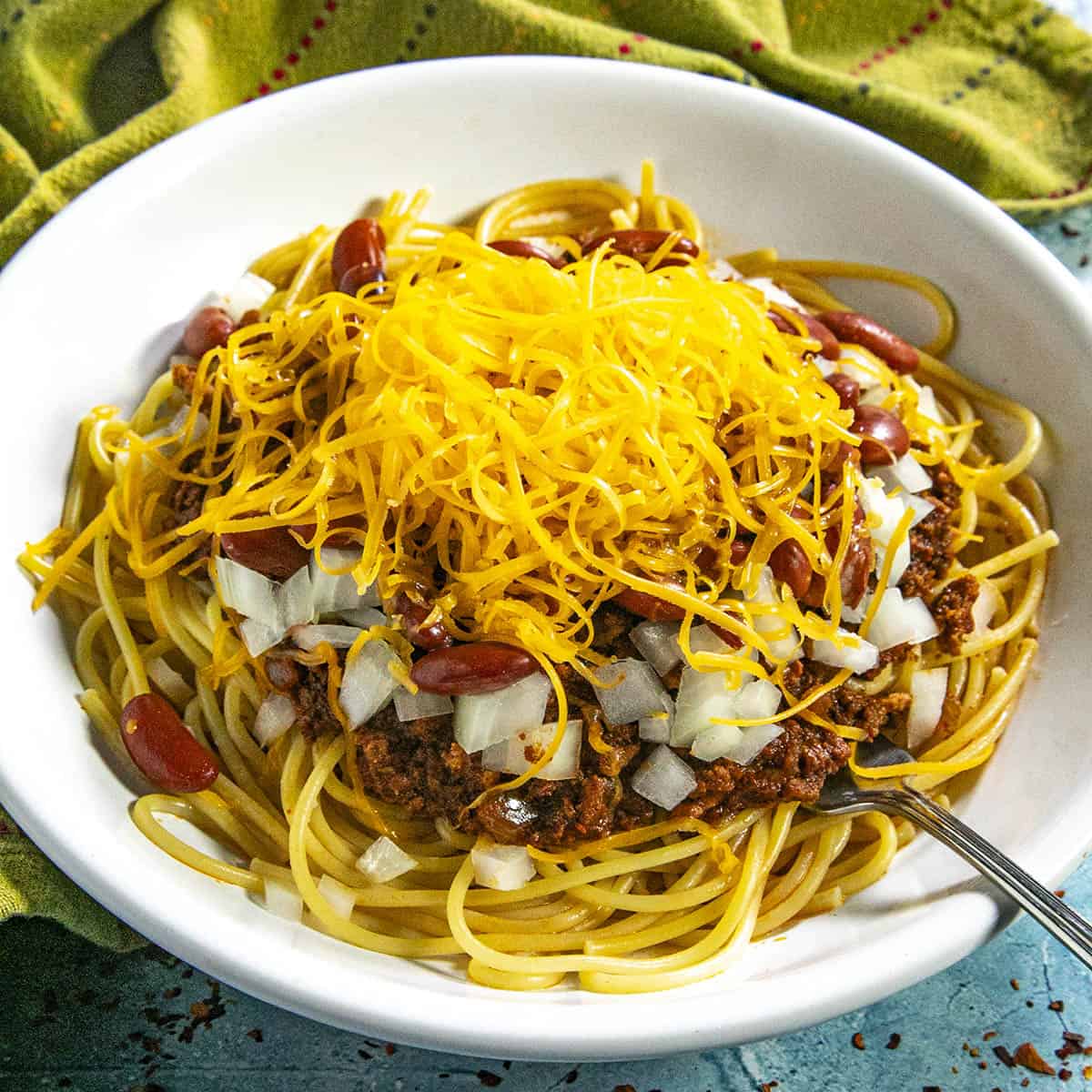
When serving, remember the "ways":
- Two-Way: Chili atop spaghetti.
- Three-Way: Chili, spaghetti, and a mound of finely shredded mild Cheddar cheese.
- Four-Way: Three-way, plus raw, finely chopped onions.
- Five-Way: Four-way, plus kidney beans.
Always serve with a side of oyster crackers for crumbling over the top, adding a salty crunch. Cincinnati chili is also famously served on hot dogs, known as "coneys," often with mustard and cheese.
Conclusion
Cincinnati chili is more than just a dish; it's a cultural icon, rich in history and distinct in its preparation. By embracing the unconventional "no browning" technique for a loose, saucy texture, understanding the subtle yet powerful role of Mediterranean spices and active dry yeast for umami, and perfecting the preparation of the pasta, you can truly master an authentic Cincinnati chili recipe. Forget the misconceptions and preconceived notions. Dive into a bowl of this uniquely delicious, comforting meal, and discover why it holds such a special place in the hearts of its admirers. It's a culinary experience that's truly one of a kind.
